

Understanding Why Your Refrigerator Is Leaking Water

📋 In This Guide
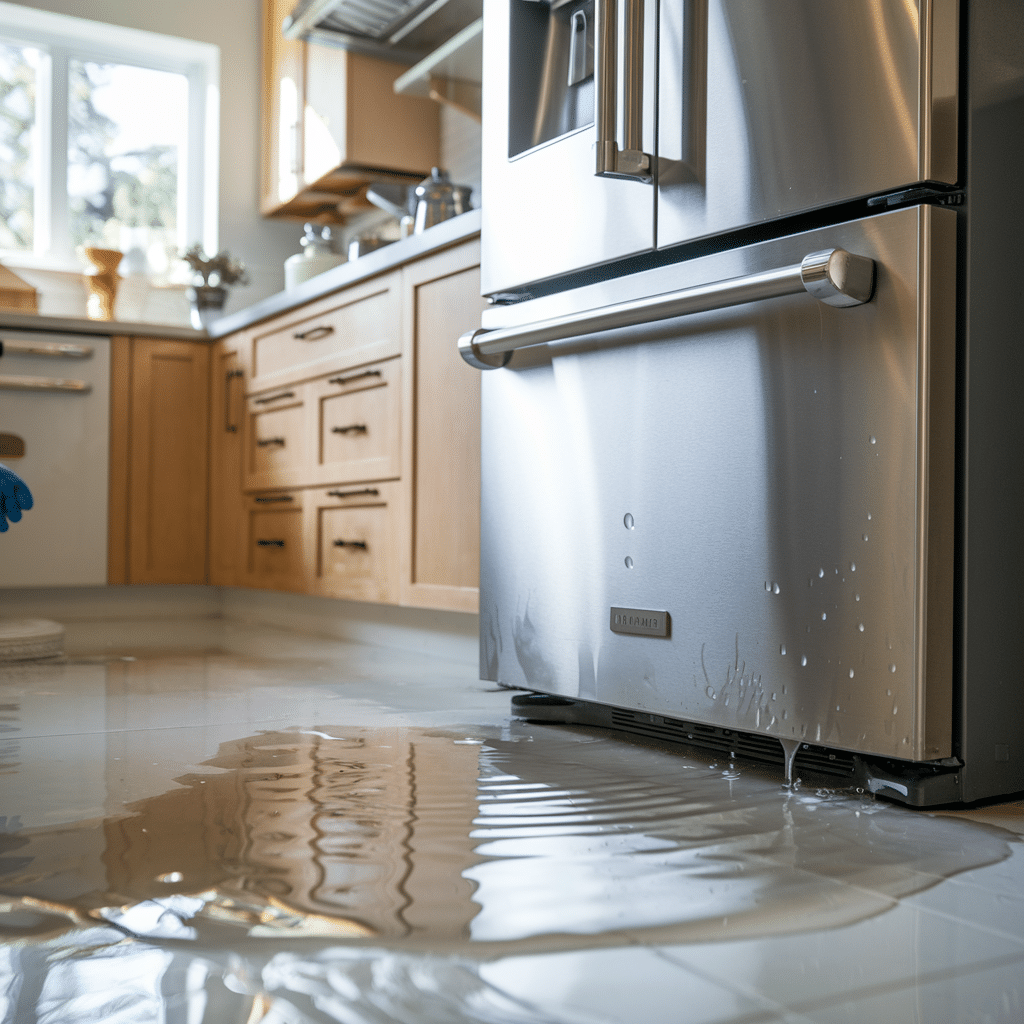
Opening your kitchen and discovering a growing puddle beneath your refrigerator is frustrating—especially when you’re dealing with the potential for water damage to your flooring. For Simi Valley homeowners in Wood Ranch, Big Sky, and surrounding neighborhoods, refrigerator water leaks are more common than you might think, particularly given our area’s hard water conditions that can accelerate buildup and clogs.
The good news? Many refrigerator water leaks have identifiable causes that you can troubleshoot yourself before calling for professional assistance. From blocked drain tubes to faulty water inlet valves, understanding the source of the leak helps you take immediate action—and possibly prevent costly water damage to your home’s flooring and cabinetry.
At ACE Appliance Heating and Cooling, we’ve helped countless homeowners throughout Simi Valley (ZIP codes 93065, 93063, 93062, 93094, and 93099) diagnose and fix refrigerator leaks. This comprehensive guide walks you through the seven most common reasons your fridge is leaking and exactly what you should check before picking up the phone.
The Seven Most Common Sources of Refrigerator Leaks
1. Blocked or Frozen Defrost Drain
This is the single most common cause of refrigerator water leaks. During the automatic defrost cycle, frost melts off the evaporator coils and should drain through a small tube into a pan beneath the fridge. When this drain line becomes clogged with food particles, mineral deposits, or ice, water backs up and pools inside the refrigerator—eventually spilling onto your kitchen floor.
To check: Open your refrigerator and locate the defrost drain opening, usually at the back of the freezer compartment. Look for ice buildup or visible debris. You can flush the drain with warm water mixed with a small amount of baking soda using a turkey baster. If you encounter resistance, the line is likely blocked and may require professional cleaning or defrosting.
2. Damaged or Worn Door Gaskets
The rubber seals around your refrigerator and freezer doors do more than keep cold air inside—they also prevent excessive humidity from entering. When door gaskets become cracked, torn, or lose their seal due to wear, warm, humid air enters the appliance. This causes excessive condensation that can overwhelm the drainage system, leading to water pooling inside and eventually leaking out.
To check: Close a dollar bill in the door and try to pull it out. If it slides easily, the seal isn’t tight. Visually inspect the entire gasket for cracks, tears, or deformation. Clean the gasket with warm soapy water—sometimes grime prevents proper sealing. If the gasket is damaged, replacement is usually straightforward and can prevent more serious issues down the line.
3. Clogged or Kinked Water Supply Line
If your refrigerator has an ice maker or water dispenser, it connects to your home’s water supply through a small plastic or copper line. These lines can develop mineral buildup inside (especially common with Simi Valley’s hard water), or they can become kinked or pinched, restricting water flow. When water can’t flow properly, it may leak at connection points or cause the inlet valve to malfunction.
To check: Pull your refrigerator away from the wall (turn off the water supply first for safety). Inspect the water line for visible kinks, especially where it connects to the wall or the back of the fridge. Check for moisture at connection points. If you notice mineral buildup inside the line, replacement may be necessary. Always use the shut-off valve before disconnecting any water lines.
4. Faulty Water Inlet Valve
The water inlet valve controls water flow to your ice maker and dispenser. When this valve develops cracks, doesn’t close completely, or becomes clogged with sediment, it can leak water. This leak typically appears at the back of the refrigerator, though water can travel and pool underneath the appliance.
To check: With the refrigerator pulled away from the wall and the water supply turned off, examine the inlet valve (usually located at the bottom rear). Look for moisture, corrosion, or mineral deposits. If you notice water when the ice maker isn’t cycling, the valve likely isn’t sealing properly. This component typically requires professional replacement, as it involves both plumbing and electrical connections.
5. Improper Refrigerator Leveling
Refrigerators must be level from side to side and tilted slightly backward (toward the wall) for proper drainage. When a fridge sits too level or tilts forward, water from the defrost cycle can’t drain properly into the collection pan. Instead, it pools inside the unit or leaks out the front.
To check: Place a level on top of your refrigerator from side to side—it should be perfectly level. From front to back, the rear should be slightly higher (about 1/4 inch over 24 inches). Most refrigerators have adjustable front legs that you can turn to raise or lower the front. This simple adjustment often solves mysterious leak problems and is something most homeowners can handle themselves.
6. Ice Maker Malfunction or Overfilling
Ice makers can leak for several reasons: the fill mechanism overfills the ice tray, the ice maker isn’t level within the freezer, the water line connections are loose, or the ice bucket itself has cracks. Water from these leaks can drip down inside the freezer and eventually make its way to your kitchen floor.
To check: Remove the ice bucket and inspect it for cracks. Ensure the ice maker assembly is properly seated and level. Check for ice buildup around the ice maker—this often indicates overfilling or a seal problem. Run a test cycle and watch for excessive water or leaking at connection points. If the ice maker repeatedly overfills, the water inlet valve or ice maker control may need replacement.
7. Condensation Pan Issues
Every refrigerator has a drain pan (also called a drip pan or condensation pan) beneath the unit that collects water from the defrost cycle. Normally, this water evaporates due to heat from the compressor. However, if the pan is cracked, improperly positioned, or overwhelmed due to excessive defrost water (from door seal problems or frequent opening), it can overflow and leak onto your floor.
To check: Access your drain pan by removing the front grille at the bottom of the refrigerator. Carefully slide the pan out and inspect it for cracks or damage. Empty any standing water and check that it fits properly when reinstalled. If the pan consistently fills with water between your checks, you likely have a separate issue (like blocked drains or door seal problems) that’s causing excessive moisture.
How Simi Valley’s Water Quality Affects Your Refrigerator
Simi Valley’s municipal water supply, while safe and clean, contains higher mineral content than some areas. This hard water accelerates mineral buildup in water lines, inlet valves, and ice makers. Over time, calcium and magnesium deposits narrow water passages, reduce flow, and can cause leaks at connection points.
Homeowners in neighborhoods like Wood Ranch and Indian Hills often notice white crusty deposits around water connections or reduced ice production before leaks begin. Regular maintenance—including annual water line inspection and periodic inlet valve cleaning—can prevent these mineral-related problems from developing into full leaks requiring professional Refrigerator Repair in Simi Valley.
If your home has particularly hard water, consider installing an inline water filter specifically for your refrigerator. These filters not only improve ice and water taste but also protect internal components from mineral buildup. Remember to replace these filters according to manufacturer recommendations—usually every six months.
DIY Troubleshooting Steps You Can Take Today
Before calling for professional repair, Simi Valley homeowners can perform these safe diagnostic steps:
Immediate Actions:
• Place towels around the leak to prevent floor damage while you diagnose the problem
• Turn off the water supply to the refrigerator if you suspect a water line issue
• Remove food from the affected area and check for internal water pooling
• Take photos of the leak location—this helps technicians diagnose the issue if you need to call for service
Safety Checks:
• Check the defrost drain by flushing it with warm water and baking soda solution
• Inspect door gaskets for visible damage and test the seal with the dollar bill method
• Examine the water supply line for kinks or damage (with water turned off)
• Verify refrigerator leveling with a standard level tool
• Empty and inspect the drain pan for cracks or overflow
What NOT to Do:
• Never use sharp objects to clear frozen drains—you can puncture the drain tube or evaporator coils
• Don’t disconnect water lines without first shutting off the water supply valve
• Avoid moving a full refrigerator alone—water leaks can make floors slippery and dangerous
• Don’t ignore persistent leaks—even small amounts of water can cause significant subfloor damage over time
If you’ve checked these common causes and still can’t identify the source, or if you’ve found an issue you’re not comfortable addressing yourself, it’s time to call a professional. Our team at our appliance repair services in Simi Valley can diagnose complex refrigerator leaks quickly and provide same-day repair service throughout Simi Valley, Thousand Oaks, and surrounding areas.
Preventing Water Damage While You Wait for Repair
When you’ve discovered a refrigerator leak, immediate containment prevents costly damage to your flooring and cabinetry. Simi Valley homes with tile floors may weather a leak better than those with hardwood or laminate, but no flooring is immune to water damage with prolonged exposure.
Immediate Containment Steps:
Place absorbent towels completely around the base of your refrigerator, replacing them as they become saturated. For active leaks, position a shallow baking sheet or plastic tray at the front of the refrigerator to catch dripping water. If you have a wet-dry vacuum, use it to remove standing water from beneath and around the appliance.
Move any nearby items away from the leak area—especially electrical cords, outlets, and stored goods. If water has spread to adjacent cabinets, remove items from the lower cabinet shelves and wipe down interior surfaces. Check for water that may have seeped into cabinet toe kicks or behind baseboards.
Temporary Solutions While Scheduling Service:
If the leak stems from a blocked defrost drain and you’ve successfully cleared it, monitor the situation for 24 hours. Place paper towels inside the refrigerator near the drain area to check if the blockage has truly cleared. If you’ve determined a faulty door seal is causing condensation, minimize door openings and ensure the door fully closes each time until you can arrange for gasket replacement.
For water line issues, turning off the water supply stops the leak but also disables your ice maker and water dispenser. This is a perfectly safe temporary measure. Many Simi Valley residents turn off refrigerator water supplies when leaving town for vacation as a preventive measure.
Document the damage with photos for homeowner’s insurance purposes if the leak has caused significant floor or cabinet damage. While most refrigerator leaks are covered under appliance warranties, resulting water damage typically falls under your homeowner’s policy.
When to Call ACE Appliance Heating and Cooling
While many refrigerator issues can be diagnosed at home, certain situations require professional expertise. Call (818) 939-4882 if you experience any of these scenarios:
Immediate Professional Help Needed:
• You’ve identified the source but can’t safely access or repair it
• Water is actively leaking and you can’t locate the source after checking common areas
• The leak involves both water and electrical components (water near outlets or controls)
• You’ve cleared a blocked drain but water continues pooling after 24 hours
• The leak has caused visible floor or cabinet damage
• Your refrigerator is still under warranty and you want to avoid voiding coverage with DIY repairs
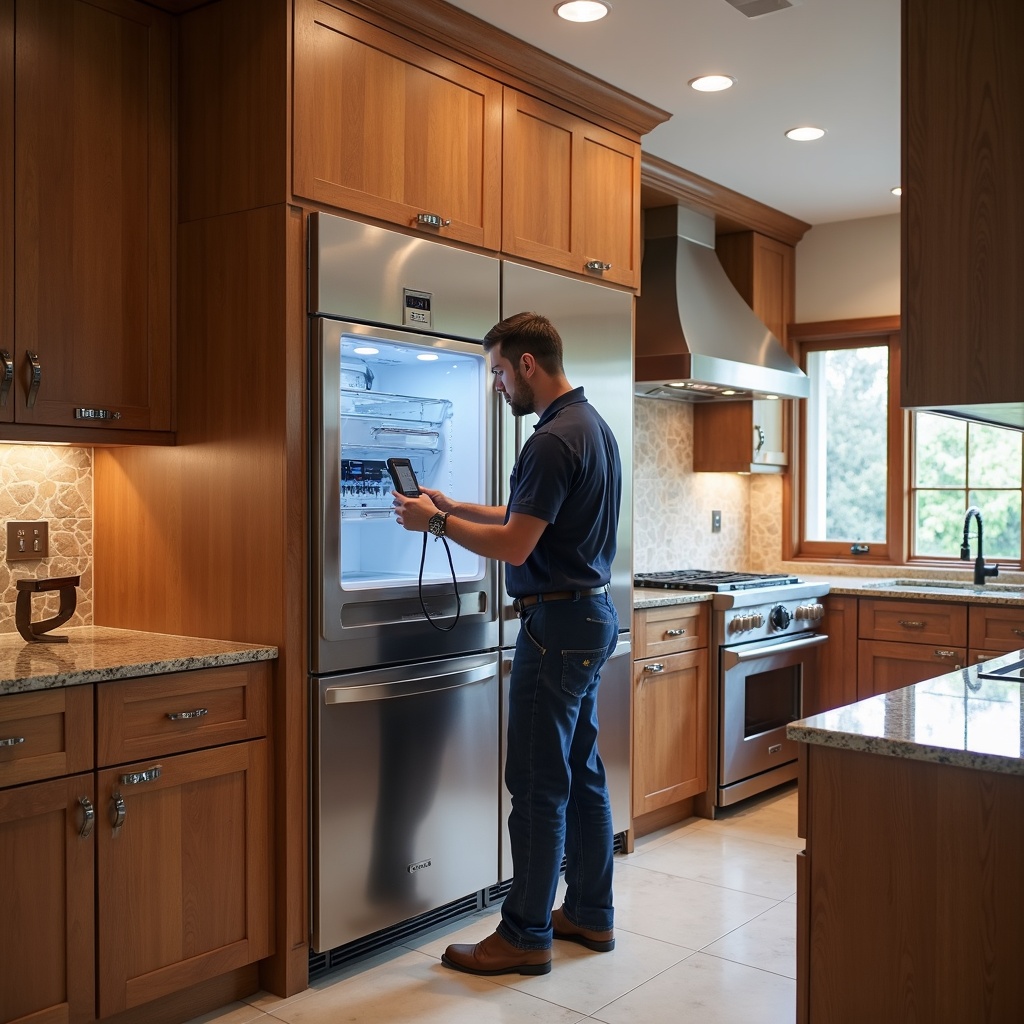
Our licensed technicians service all major refrigerator brands throughout Simi Valley’s 93065, 93063, 93062, 93094, and 93099 ZIP codes. We arrive with the parts and tools necessary to handle the most common leak sources, meaning we can often complete repairs in a single visit.
For homeowners in Texas Tract or Bridle Path dealing with older refrigerators, we provide honest assessments about whether repair makes financial sense compared to replacement. When repair costs approach 50% of replacement value, we’ll walk you through both options so you can make an informed decision.
We also service washers, dryers, and stoves, so if you’re experiencing multiple appliance issues, we can address them in one visit. Our Washing Machine Repair in Simi Valley and Dryer Repair in Simi Valley services follow the same commitment to quality and transparent pricing.
Refrigerator leaks don’t improve with time—they only get worse and potentially cause expensive secondary damage. Whether you need a simple drain clearing or a complex component replacement, our team provides the efficient, professional service that Simi Valley homeowners have trusted since we opened. Call ACE Appliance Heating and Cooling at (818) 939-4882 to schedule your repair appointment today.
ACE Appliance Heating and Cooling
Get Your Free Quote Today