

Why Your Dryer Stops Heating and the Signs Homeowners Should Look For
A dryer that runs but doesn’t produce heat can disrupt laundry routines quickly. Many homeowners begin noticing longer drying times, damp clothes after a full cycle, or cycles that seem to run endlessly. Although it may feel like a sudden change, most heating issues develop gradually as internal components wear or airflow becomes restricted. Understanding these early signs can help prevent larger repairs and keep your appliance operating efficiently.
If you need guidance on repairs or professional support, you can visit our local dryer service information for details on diagnostics and available solutions:
Common Reasons Clothes Stay Damp After a Full Cycle
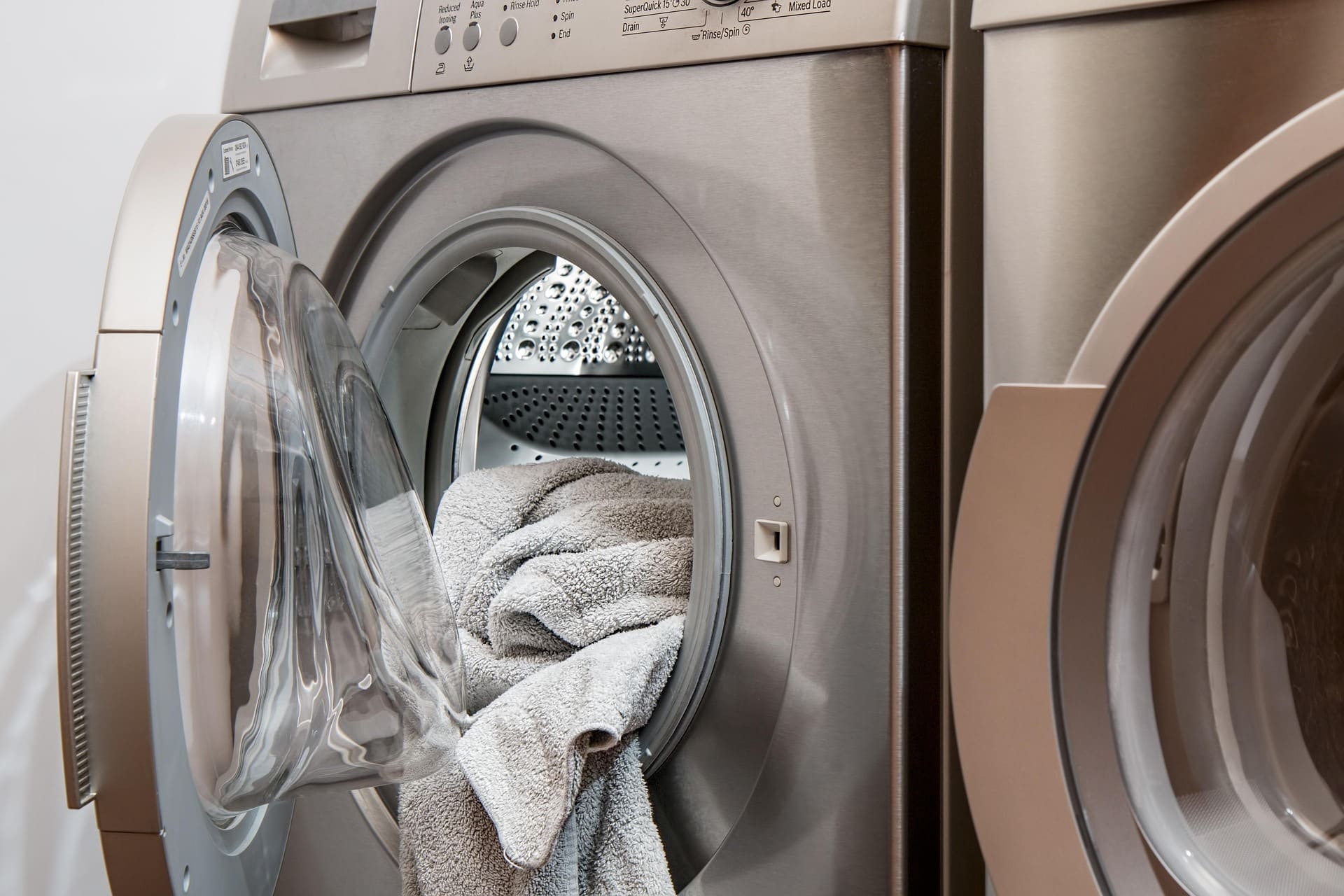
Before a dryer completely loses its ability to heat, it almost always shows early warning signs that are easy to overlook at first. In many homes throughout Woodland Hills and Agoura Hills, homeowners continue using the appliance, assuming the issue is a minor inconvenience, until drying times become excessive or the dryer stops performing altogether. In reality, these early symptoms are valuable indicators that something inside the system is beginning to fail. Catching these problems early can help restore proper performance, improve energy efficiency, and reduce the risk of costly repairs or safety hazards.
These issues often develop over time and worsen if the dryer is used heavily or has limited ventilation.
Airflow Problems Are a Leading Cause of Dryer Heat Loss
Dryers depend on steady airflow to maintain temperature. Even a slight reduction in ventilation can cause noticeable heat loss. Clogged ducts, lint-packed vents, and internal buildup all limit circulation, leading to longer dry times and cooler drum temperatures.
Homeowners often notice:
Ensuring clear ventilation not only improves performance but also reduces stress on internal components and lowers energy usage.
Internal Components That Often Fail When the Dryer Stops Heating
When a dryer produces little or no heat, a few specific parts are usually responsible. Heating elements eventually wear out, thermostats may misread temperature, and safety fuses can trip if the dryer overheats. In some cases, electronic control boards fail to activate the heating cycle even when the drum spins normally.
Because these components involve electrical systems and high-heat elements, diagnosing them safely requires professional tools and training.
When It’s Time to Schedule a Professional Evaluation
If your dryer consistently produces cool or lukewarm air, takes significantly longer to dry clothes, or requires repeat cycles, a professional evaluation is recommended. Addressing these symptoms early prevents major component damage and helps extend the life of your appliance.
A Closing Note on Restoring Reliable Dryer Performance
A dryer that stops heating rarely fails without giving early clues. Watching for extended cycle times, airflow changes, and inconsistent temperatures can help you act before a full breakdown occurs. With proper diagnostics and timely service from our local appliance support resources, your dryer can return to efficient, reliable performance—saving you time, energy, and unnecessary stress.
FAQ About Agoura Hills Dryer Heating Problems
1. Why does my dryer run but produce little or no heat?
A dryer that runs without heating often has a worn heating element, a failed thermostat, or a tripped high-limit fuse. These parts weaken over time and cause the appliance to blow cool air even when the cycle appears normal.
2. Can airflow problems cause my dryer to stop heating properly?
Yes. Restricted ducts, lint buildup, or poor ventilation can prevent the dryer from reaching and maintaining proper temperature. When airflow is limited, the heating system shuts down or cycles weakly to prevent overheating.
3. What components commonly fail when a dryer loses heat?
Heating elements, temperature sensors, thermal fuses, and control boards are the most common failure points. When any of these components malfunction, the dryer may tumble normally but fail to generate adequate heat.
4. How do I know if the issue is electrical rather than mechanical?
If the dryer powers on but never warms up, loses heat mid-cycle, or repeatedly trips breakers, the problem may be electrical. Faulty wiring, damaged connections, or control board issues can interrupt the heating circuit.
5. When should homeowners schedule a professional dryer inspection?
A professional evaluation is recommended when the dryer consistently produces cool air, requires multiple cycles to dry clothing, or shows signs of airflow restriction. These issues typically indicate parts that are wearing out or safety components that have been triggered.
ACE Appliance Heating and Cooling
Get Your Free Quote Today