


Understanding Why Your Simi Valley Refrigerator Suddenly Stops Cooling
📋 In This Guide
- ▸Temperature Settings and Control Panel Issues
- ▸Condenser Coils: The Most Common Cooling Culprit
- ▸Airflow Blockages and Door Seal Problems
- ▸Evaporator Fan and Compressor Function
- ▸When to Stop Troubleshooting and Call a Professional
- ▸Cost Considerations and Prevention Tips for Simi Valley Homeowners
When your refrigerator stops cooling properly in Simi Valley, it’s more than just an inconvenience—it’s a race against time to save your groceries and prevent costly food waste. For homeowners in Wood Ranch, Big Sky, and throughout our community, a warm fridge can spell disaster for that weekend barbecue or your family’s weekly meal prep.
With Simi Valley’s warm summers and the typical temperature swings we experience throughout the year, refrigerators work harder here than in many other climates. The combination of our location in the valley and homes that average $759,700 in value means most residents want to exhaust simple solutions before committing to a service call. The good news? Many cooling issues stem from surprisingly simple problems that don’t require professional intervention.
Before you start transferring food to coolers or calling for emergency repair, there are several diagnostic steps you can perform yourself. Understanding what causes cooling failures—and what you can safely check—empowers you to make informed decisions about whether to attempt a fix or contact professional refrigerator repair services in Simi Valley. Let’s walk through the most common culprits and what you can do about them right now.
Temperature Settings and Control Panel Issues
Before diving into more complex diagnostics, start with the simplest explanation: your temperature settings might have been accidentally changed. This happens more often than you’d think, especially in busy households where kids or guests might brush against the control panel.
Check your refrigerator’s temperature display and ensure it’s set to the manufacturer’s recommended setting—typically between 37°F and 40°F for the fresh food compartment and 0°F for the freezer. If you have a digital control panel, look for any error codes displayed. Many modern refrigerators use alphanumeric codes to signal specific problems, and your owner’s manual can decode these messages.
Sometimes the control panel itself malfunctions, displaying the correct temperature while the actual cooling system isn’t responding. Try unplugging your refrigerator for five minutes, then plugging it back in. This hard reset can resolve electronic glitches in the control board. If your display is completely blank or unresponsive, you may have a power supply issue or a failed control board that requires professional appliance repair services.
For residents in areas like Indian Hills and Texas Tract with older homes, check your circuit breaker panel as well. A tripped breaker can cause partial power delivery that keeps lights on inside the refrigerator but doesn’t supply enough electricity to run the compressor. Flip the breaker completely off, then back on to ensure full power restoration.
Condenser Coils: The Most Common Cooling Culprit
Dirty condenser coils rank as the number one cause of cooling problems in Simi Valley refrigerators. These coils, typically located on the back of the unit or underneath behind a front grille, release heat from inside your refrigerator to the outside air. When they’re covered in dust, pet hair, and debris, they can’t dissipate heat efficiently, causing your entire cooling system to struggle or fail.
Locate your condenser coils—consult your owner’s manual if you’re unsure where they are. If you can see visible dust buildup or a thick layer of debris, cleaning them should be your first priority. Unplug the refrigerator for safety, then use a refrigerator coil brush (available at The Home Depot in Simi Valley or online) to gently remove dust and debris. Follow up with a vacuum cleaner using a brush attachment to capture loosened particles.
For coils located underneath the refrigerator, you may need to remove the front grille panel. Most snap off easily without tools. Shine a flashlight under the unit to assess the buildup. Many Simi Valley homes experience more dust accumulation due to our dry climate and proximity to open spaces, meaning coils may need cleaning every six months rather than annually.
After cleaning, wait 15 minutes before plugging the refrigerator back in. Give the system several hours to reach proper temperature—it won’t happen instantly. If thorough coil cleaning doesn’t restore cooling within 24 hours, you’re likely dealing with a more serious component failure that requires professional diagnosis from ACE Appliance Heating and Cooling.
Airflow Blockages and Door Seal Problems
Even a perfectly functioning refrigerator can’t maintain temperature if cold air can’t circulate properly or if warm air constantly leaks inside. Check for overstuffed compartments that block air vents—these are usually located on the back wall of the fresh food section or in the ceiling of the compartment. Cold air flows from the freezer through these vents, so any obstruction stops proper cooling.
Remove items that sit directly against the back wall, especially tall bottles or pizza boxes that cover vent openings. Your refrigerator needs several inches of clearance around these vents for optimal performance. Also check the freezer section for ice buildup around vents, which can indicate a defrost system problem that requires professional attention.
Inspect the door seals (gaskets) by closing the door on a dollar bill. If you can pull it out easily without resistance, your seal isn’t tight enough. Worn or damaged gaskets allow warm Simi Valley air to continuously enter your refrigerator, forcing the compressor to run constantly while never reaching proper temperature. Look for visible cracks, tears, or areas where the gasket has pulled away from the door.
You can sometimes improve seal performance by cleaning the gaskets with warm, soapy water to remove sticky residues that prevent proper closure. If gaskets are physically damaged, replacement is straightforward and costs significantly less than major component repairs. However, if you’re uncomfortable with this DIY task or if door alignment seems off, our appliance repair technicians can handle gasket replacement during a standard service call.
Evaporator Fan and Compressor Function
If you’ve eliminated simple causes, it’s time to check whether your refrigerator’s key mechanical components are actually running. The evaporator fan circulates cold air throughout the cabinet, while the compressor pumps refrigerant through the system to create cooling. Both must function for proper temperature control.
Open your refrigerator door and listen carefully. You should hear a fan running somewhere inside—this is the evaporator fan. If it’s silent, locate the fan (usually behind a panel in the freezer section) and see if ice buildup is blocking it. Excessive frost indicates a defrost system failure. If the fan itself has failed, you’ll need professional repair.
Now check the compressor, which is the black, cylindrical component at the back bottom of your refrigerator. Place your hand near it (don’t touch hot surfaces). You should feel warmth and possibly vibration, indicating it’s running. If it’s completely cold and silent, your compressor isn’t working—a situation requiring immediate professional assessment.
Sometimes you’ll hear clicking sounds as the compressor tries to start but fails. This often indicates a failed start relay or capacitor—components that cost far less to replace than a compressor but require technical expertise to diagnose properly. Compressor problems can also indicate sealed system failures, which represent more significant repairs that may influence your decision to repair versus replace an older unit.
For homeowners in Simi Valley’s established neighborhoods like Bridle Path, where many appliances are 10-15 years old, compressor failure often signals it’s time to evaluate whether repair makes financial sense or if replacement offers better long-term value.
When to Stop Troubleshooting and Call a Professional
Certain refrigerator problems exceed the scope of DIY troubleshooting and require professional diagnostic equipment and expertise. If you’ve worked through the checks above without success, or if you encounter any of the following situations, it’s time to contact a qualified technician.
Refrigerant leaks present both a repair challenge and an environmental concern. If you notice an oily residue around your refrigerator, smell a chemical odor, or hear a hissing sound, you likely have a refrigerant leak. Refrigerant handling requires EPA certification, specialized tools, and proper disposal procedures—never attempt this repair yourself.
Electrical issues beyond basic circuit breaker checks also warrant professional help. If your refrigerator repeatedly trips breakers, shows signs of electrical burning smells, or has visible wiring damage, continuing to operate it poses fire and shock risks. Turn off power at the breaker and call for service.
Sealed system problems—issues with the compressor, condenser, evaporator, or refrigerant lines—require specialized brazing equipment, vacuum pumps, and refrigerant charging procedures. These aren’t DIY repairs. The sealed system works under pressure with precise refrigerant charges, and improper repair attempts can destroy expensive components or render the entire appliance beyond economical repair.
If your troubleshooting reveals a problem but you’re uncomfortable attempting the repair, or if you simply can’t identify why your refrigerator won’t cool, professional diagnosis often saves money in the long run. A trained technician can quickly identify the root cause, provide an accurate repair estimate, and complete the work with proper parts and tools.
Cost Considerations and Prevention Tips for Simi Valley Homeowners
With the median household income in Simi Valley at $113,893, most residents balance quality service with value. Understanding typical repair costs helps you make informed decisions about when to repair versus replace.
Simple repairs like replacing a door gasket, thermostat, or start relay typically run $150-$300 including the service call. Evaporator fan replacements cost $200-$400, while more complex compressor replacements can range from $500-$1,000 depending on the refrigerator model. For units over 10 years old, repair costs exceeding 50% of replacement value generally favor buying new.
Prevention extends your refrigerator’s lifespan and prevents inconvenient breakdowns. Clean condenser coils every six months—mark your calendar for spring and fall to establish a routine. Keep your refrigerator away from heat sources like ovens or direct sunlight through windows, which force the cooling system to work harder in Simi Valley’s warm climate.
Avoid overloading your refrigerator, which restricts airflow and forces the compressor to run constantly. Maintain proper temperature settings rather than constantly adjusting them, and replace water filters on schedule to prevent ice maker problems that can affect overall performance.
For comprehensive maintenance, consider scheduling annual refrigerator maintenance service with ACE Appliance. Professional maintenance includes deep coil cleaning, door seal inspection, temperature calibration, and early detection of potential problems before they cause complete cooling failure.
When you need expert help, ACE Appliance Heating and Cooling serves all of Simi Valley including ZIP codes 93065, 93063, 93062, 93094, and 93099. We’re a locally-owned company that understands the specific challenges facing Simi Valley homeowners, from our climate conditions to the appliance brands most common in our community. Call (818) 939-4882 for fast, reliable refrigerator repair that gets your appliance working before your groceries spoil. Our technicians arrive equipped with common parts, often completing repairs in a single visit to minimize disruption to your household routine.
❓ Frequently Asked Questions
What's the first thing to check when a refrigerator stops cooling in Simi Valley?
Start with the simplest solutions: verify your temperature settings haven't been accidentally changed (should be 37-40°F for fresh food, 0°F for freezer), check that the refrigerator is plugged in securely, and ensure the circuit breaker hasn't tripped. Then inspect condenser coils for dust buildup, as dirty coils are the most common cause of cooling problems in Simi Valley homes due to our dry, dusty climate.
How long should I wait after cleaning condenser coils to see if cooling returns?
After cleaning condenser coils, wait at least 24 hours before determining if the repair was successful. Plug the refrigerator back in after cleaning and allow the system several hours to reach proper temperature. If your refrigerator hasn't returned to 40°F or below within 24 hours, you likely have a more serious component failure requiring professional diagnosis from ACE Appliance at (818) 939-4882.
When should Simi Valley homeowners call a professional instead of DIY troubleshooting?
Call a professional immediately if you suspect a refrigerant leak (oily residue, chemical smell, or hissing sounds), notice electrical problems (burning smells, repeated breaker trips), or if the compressor won't run after basic troubleshooting. Also contact ACE Appliance if you've checked temperature settings, cleaned coils, cleared airflow blockages, and inspected door seals without restoring cooling—these situations indicate component failures requiring specialized diagnostic equipment and repair expertise.
How often should condenser coils be cleaned in Simi Valley's climate?
In Simi Valley's dry, dusty climate, refrigerator condenser coils should be cleaned every 6 months rather than the standard annual recommendation. Homes with pets or located near open areas may require even more frequent cleaning. Regular coil maintenance prevents the most common cause of refrigerator cooling failure and extends appliance lifespan, making it the single most important preventive maintenance task for Simi Valley homeowners.
📖 More Tips for Simi Valley
-
 Which Washing Machine Costs Less to Fix? A Simi Valley Homeowner's Guide to Front-Load and Top-Load Repair Expenses
Discover the real cost differences between repairing front-load and top-load washing machines in Simi Valley, including common failures,…
-
Puddle Under Your Fridge? A Simi Valley Homeowner's Guide to Refrigerator Water Leaks
Discover the seven most common reasons your Simi Valley refrigerator is leaking water and what you can check…
-
GE Refrigerator Defrost System Failure — Control Board & Defrost Limit Replaced
A GE refrigerator stopped cooling properly due to a defrost system failure that caused heavy ice buildup on…


🏘️ Same Topic in Nearby Cities
ACE Appliance Heating and Cooling
Get Your Free Quote Today
Recommended Articles
-
Dishwasher Leaving a Pool of Water? What Woodland Hills Homeowners Risk by Waiting
Standing water in your Woodland Hills dishwasher? Discover five practical troubleshooting steps you can take today—from air gap…
-
Dryer Vent Cleaning in Woodland Hills: Comparing Annual Service vs. Usage-Based Schedules
Discover why dryer vent cleaning is critical fire prevention in Woodland Hills' dry climate. Learn warning signs of…
-
Gas or Electric Oven Repair in Woodland Hills: Diagnosing Your Appliance's Fuel Type First
Gas and electric ovens fail in fundamentally different ways—from igniter problems versus element burnout to valve issues versus…
-
The Hidden Costs of Ignoring Washer Problems: What Woodland Hills Homeowners Need to Know About Front-Load and Top-Load Repair Expenses
Front-load and top-load washers have dramatically different repair costs and failure patterns. Woodland Hills homeowners can save hundreds…
-
Gas Stove Burner Won't Light in Woodland Hills? Quick Fixes & When to Call a Pro
Discover why your gas stove burner won't light in Woodland Hills and learn which problems you can fix…
-
Washing Machine Shaking Violently? Woodland Hills Repair Tips
Discover why washing machines shake violently in Woodland Hills homes and learn which problems require professional repair. From…
-
Dishwasher Leaving a Pool of Water? What Woodland Hills Homeowners Risk by Waiting
Standing water in your Woodland Hills dishwasher? Discover five practical troubleshooting steps you can take today—from air gap…
-
Dryer Vent Cleaning in Woodland Hills: Comparing Annual Service vs. Usage-Based Schedules
Discover why dryer vent cleaning is critical fire prevention in Woodland Hills' dry climate. Learn warning signs of…
-
Which Washing Machine Costs Less to Fix? A Simi Valley Homeowner's Guide to Front-Load and Top-Load Repair Expenses
Discover the real cost differences between repairing front-load and top-load washing machines in Simi Valley, including common failures,…
-
Refrigerator Not Cooling in Simi Valley? Here's What to Check Before Calling a Pro
When your Simi Valley refrigerator stops cooling, try these homeowner-friendly troubleshooting steps first. Learn which problems you can…
-
GE Refrigerator Defrost System Failure — Control Board & Defrost Limit Replaced
A GE refrigerator stopped cooling properly due to a defrost system failure that caused heavy ice buildup on…
❓ Frequently Asked Questions
What is the most common reason a refrigerator leaks water in Woodland Hills?
The most common cause of refrigerator water leaks in Woodland Hills homes is a blocked defrost drain. During normal operation, frost accumulates on evaporator coils and melts during defrost cycles. This water should flow through a drain tube into an evaporation pan. When food particles, ice, or mineral deposits—particularly common with California's hard water—clog this drain, water backs up into compartments or leaks onto your floor. You can often clear minor blockages yourself using warm water mixed with baking soda flushed through the drain opening with a turkey baster. For persistent blockages, professional service ensures the drain is properly cleared without damaging components. ACE Appliance provides same-day refrigerator leak diagnosis throughout Woodland Hills at (818) 939-4882.
Can I fix a refrigerator water leak myself or do I need professional repair?
Many refrigerator water leaks in Woodland Hills homes can be addressed through DIY troubleshooting, depending on the cause. You can safely clear defrost drains using warm water, adjust leveling feet to ensure proper tilt, clean door gaskets, and replace obviously damaged seals following manufacturer instructions. However, professional repair becomes necessary for issues involving sealed systems, electrical components, water inlet valve replacement, ice maker assembly repairs, or when leaks persist after basic troubleshooting. Problems requiring specialized diagnostic equipment, refrigerant handling, or complex disassembly should always be handled by licensed technicians. If you're uncertain about any repair procedure, calling a professional prevents accidental damage that could increase repair costs. ACE Appliance technicians carry specialized tools for accurate diagnosis and stock common parts for same-day repairs throughout the 91364 and 91367 ZIP codes.
How does hard water in Woodland Hills affect refrigerator water leaks?
California's hard water, common throughout Woodland Hills, significantly contributes to refrigerator water leaks by accelerating mineral buildup in critical components. Calcium and magnesium deposits accumulate in defrost drain tubes, clogging them and causing water to back up into compartments or leak onto floors. Hard water also damages water inlet valves, reducing their ability to seal properly and causing continuous leaking. In ice makers, mineral deposits clog fill tubes and create blockages that force water to escape improperly. To combat these issues, Woodland Hills homeowners should flush defrost drains quarterly with warm water and baking soda, replace water filters every six months or more frequently, and consider installing point-of-use water filters specifically for refrigerator lines. Professional maintenance can identify mineral buildup before it causes leaks, and water softeners provide long-term protection for homes throughout Walnut Acres, Girard Tract, and other Woodland Hills neighborhoods.
When should I call a professional for a refrigerator water leak in Woodland Hills?
Contact a professional refrigerator repair service in Woodland Hills immediately if water leaks persist after basic troubleshooting like clearing drains and adjusting leveling, if you discover refrigerant leaks indicated by hissing sounds and rapid frost buildup, if electrical components appear water-damaged, if the leak is substantial and causing floor damage, or if you lack confidence performing any diagnostic procedure. Also call professionals for water inlet valve issues requiring voltage testing, ice maker malfunctions needing specialized parts, sealed system problems, or when you need expert guidance on repair versus replacement decisions. For high-value Woodland Hills homes where water damage to hardwood floors can cost thousands of dollars, prompt professional service prevents minor leaks from becoming major problems. ACE Appliance offers same-day service throughout Woodland Hills, serving College Acres, Vista De Oro, Carlson Park, and surrounding neighborhoods. Call (818) 939-4882 for immediate assistance with refrigerator leaks and transparent pricing before any work begins.
📖 More Tips for Woodland Hills


🏘️ Same Topic in Nearby Cities

❓ Frequently Asked Questions
How much does it cost to fix a washing machine that won't spin in Woodland Hills?
Most spin cycle repairs in Woodland Hills cost between $120-$280 depending on the component. Lid switch replacements typically run $120-$180, drive belts cost $150-$250 installed, and drain pump replacements range from $180-$280. Complex issues like motor or transmission failure may cost $400-$600, at which point replacement might make more financial sense for older machines.
Can hard water in Woodland Hills cause washing machine spin problems?
Yes, Woodland Hills's hard water (200-300 ppm) accelerates wear on mechanical components by creating mineral deposits on pulleys, bearings, and inside the drain pump. These deposits increase friction and can cause premature belt failure or pump clogs that prevent proper spinning. Regular maintenance and periodic vinegar rinses can help reduce buildup.
Is it safe to keep using a washing machine that won't spin?
You can continue using the wash and rinse cycles, but you'll need to manually wring out clothes or transfer them to a dryer while soaking wet, which significantly increases drying time and energy costs. More importantly, some spin failures indicate problems like bearing wear that will worsen with continued use, potentially causing water leaks or drum damage that makes repair more expensive.
Should I replace or repair a 7-year-old washer that won't spin?
For most Woodland Hills homeowners, repairing a 7-year-old washer makes financial sense if the repair costs less than 50% of replacement value. A $250 repair on a machine that would cost $800-$1,200 to replace is worthwhile, especially in high-value homes where quality appliances add to property value. ACE Appliance Heating and Cooling at (818) 939-4882 provides honest assessments of whether repair or replacement is the better investment for your specific situation.
📖 More Tips for Woodland Hills


🏘️ Same Topic in Nearby Cities

❓ Frequently Asked Questions
Why is my refrigerator suddenly leaking water in Simi Valley?
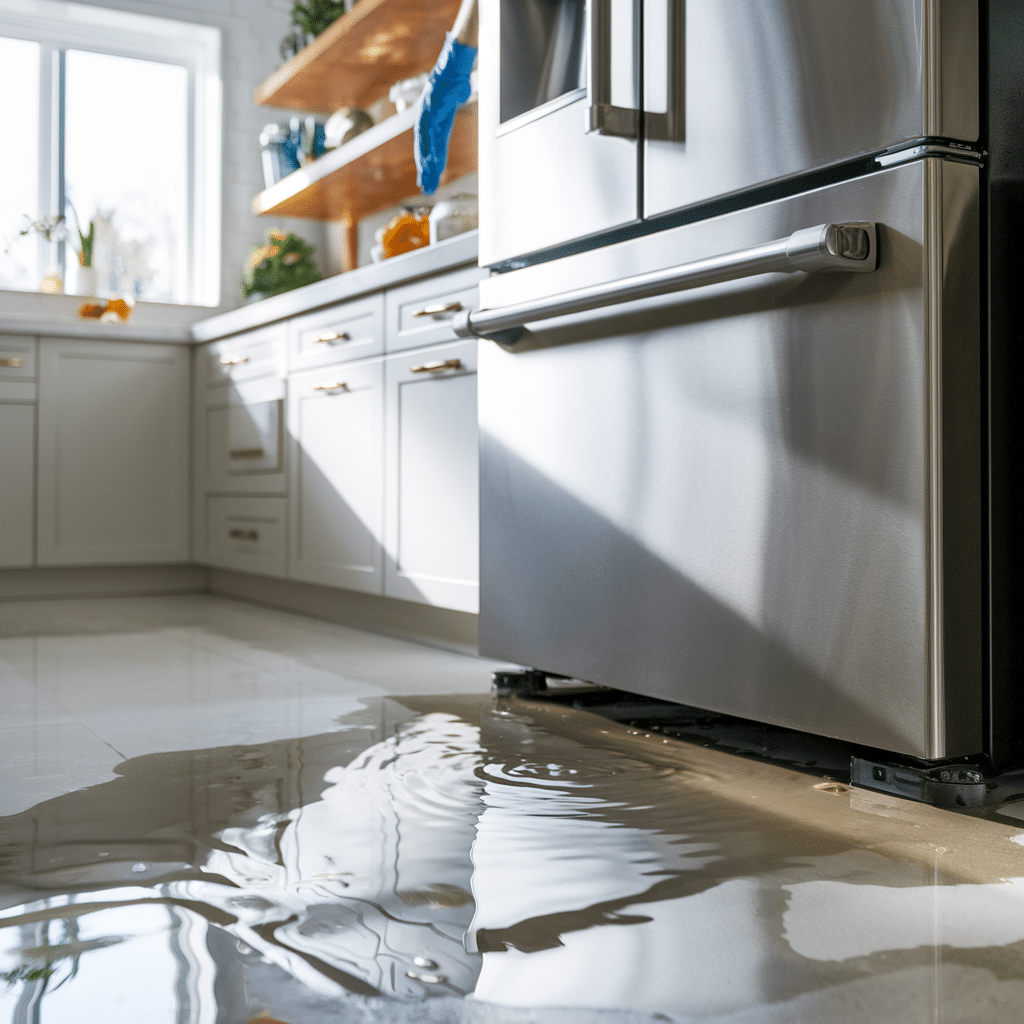
The most common cause of sudden refrigerator leaks in Simi Valley homes is a blocked defrost drain, which prevents melted frost from draining properly. Hard water mineral buildup, common in Simi Valley, can accelerate these clogs. Other frequent causes include damaged door gaskets allowing excess condensation, faulty water inlet valves, or improper leveling causing drainage issues. Check the defrost drain first by flushing it with warm water and baking soda, inspect door seals for damage, and verify your refrigerator is level and tilted slightly back. If you can't identify the source or the leak persists after these checks, call ACE Appliance at (818) 939-4882 for professional diagnosis and repair throughout Simi Valley's 93065, 93063, and 93062 areas.
Can I fix a refrigerator water leak myself or should I call a professional?
Many refrigerator water leaks have simple causes that Simi Valley homeowners can address themselves, including clearing blocked defrost drains, adjusting leveling legs, cleaning door gaskets, or straightening kinked water supply lines. However, call a professional if the leak involves component replacement (water inlet valves, ice makers, or drain pans), if you can't safely access the problem area, or if water is near electrical components. ACE Appliance serves all Simi Valley neighborhoods including Wood Ranch, Big Sky, and Indian Hills with same-day service. Our technicians arrive prepared with common parts, often completing repairs in a single visit. Call (818) 939-4882 for expert refrigerator repair service.
How does Simi Valley's hard water affect refrigerator water leaks?
Simi Valley's municipal water contains higher mineral content that accelerates calcium and magnesium buildup in refrigerator water lines, inlet valves, and ice maker components. This mineral accumulation narrows water passages, restricts flow, and can cause leaks at connection points. Homeowners in Simi Valley often notice white crusty deposits around water connections or reduced ice production before leaks develop. Regular maintenance including annual water line inspection and periodic cleaning prevents these issues. Installing an inline water filter specifically for your refrigerator protects internal components while improving water and ice quality. ACE Appliance technicians understand how local water conditions affect appliances and can recommend preventive measures during service visits throughout the 93065, 93063, 93062, 93094, and 93099 ZIP codes.
What immediate steps should I take when I discover my refrigerator is leaking?
When you discover a refrigerator leak in your Simi Valley home, immediately place absorbent towels around the appliance base to prevent floor damage. If the leak is active, position a shallow pan at the front to catch dripping water. Move nearby items away from the leak area, especially electrical cords and outlets. Turn off the water supply to the refrigerator if you suspect a water line issue. Document the leak with photos for potential insurance claims. Check the defrost drain, door seals, and drain pan for obvious problems. If you can't identify the source, the leak persists, or involves electrical components, call ACE Appliance immediately at (818) 939-4882. We provide emergency refrigerator repair service throughout Simi Valley, Thousand Oaks, and surrounding communities, often with same-day appointments to prevent further damage to your home.