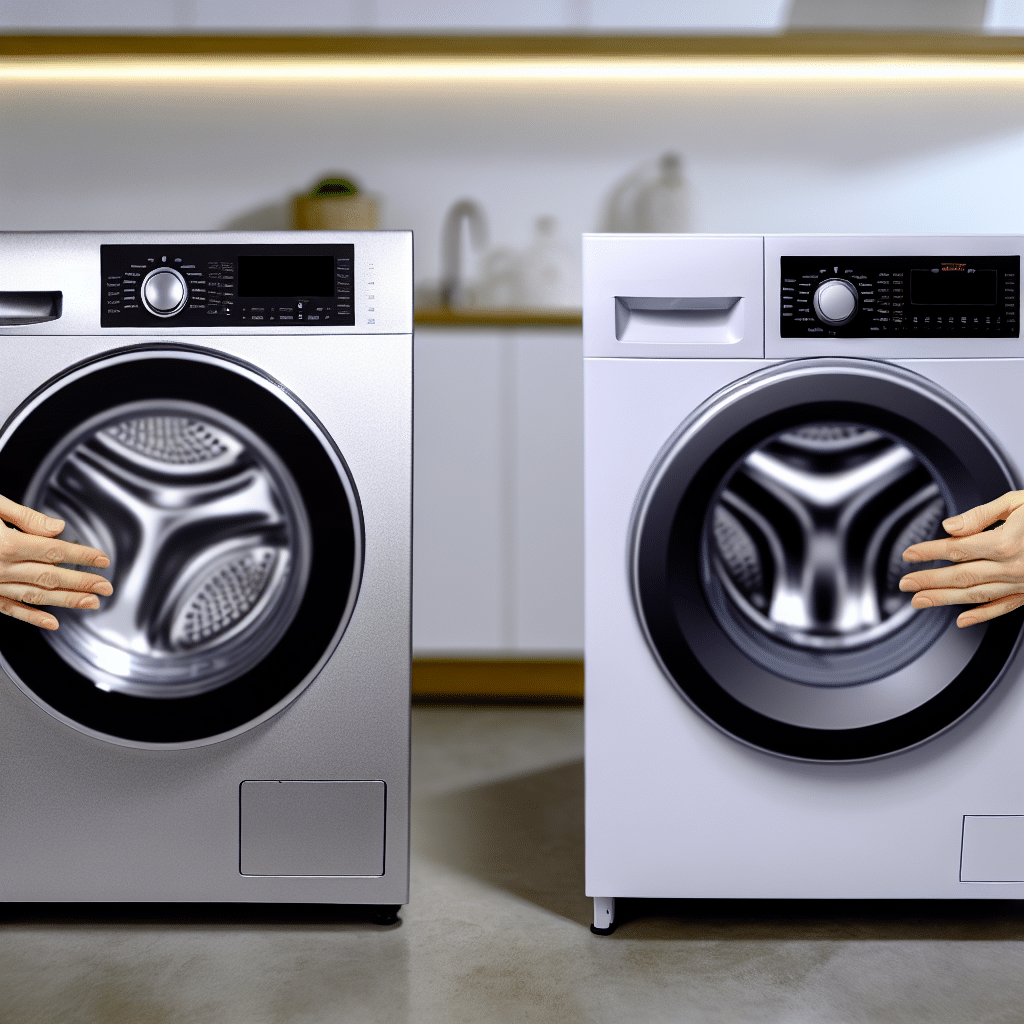


Understanding the Real Cost of Washer Repairs in Los Angeles Neighborhoods
📋 In This Guide
- ▸What You'll Pay for Common Top-Load Washer Repairs
- ▸Front-Load Washer Repair Costs: Why These Machines Hit Your Wallet Harder
- ▸Hidden Cost Factors That Affect Your Repair Bill
- ▸Making the Repair-or-Replace Decision Based on Your Washer Type
- ▸Preventive Maintenance That Reduces Future Repair Costs
- ▸Why Professional Diagnosis Matters for Los Angeles Washer Repairs
When your washing machine stops working in neighborhoods like Koreatown or Echo Park, the first question isn’t usually “what’s wrong?” It’s “how much is this going to cost me?” For Los Angeles residents facing washer issues, understanding the financial implications of repairs versus replacement can mean the difference between a manageable $150 fix and an unexpected $1,200 appliance purchase.
The type of washing machine you own significantly impacts both what you’ll pay for repairs and whether those repairs make financial sense. With Los Angeles’ median household income around $60,751, most families need to make budget-conscious decisions about appliance maintenance. Whether you’re a homeowner in Silver Lake or managing rental properties near Downtown Los Angeles, knowing the cost differences between front-load and top-load washer repairs helps you plan ahead and avoid financial surprises.
At ACE Appliance Heating and Cooling, we’ve serviced washers throughout Los Angeles for years, and we’ve seen how repair costs vary dramatically based on machine type, age, and the specific component that’s failed. Let’s break down what you can realistically expect to pay for washing machine repair in Los Angeles, and which washer type tends to be more economical over its lifetime.
What You’ll Pay for Common Top-Load Washer Repairs
Top-load washers remain popular in Los Angeles, especially among budget-conscious homeowners and landlords managing rental properties. These machines generally cost less to repair than their front-load counterparts, though the specific repair costs depend heavily on what’s broken.
For traditional top-load washers with agitators, the most common repair involves the transmission or gearbox. When these components fail—often signaling themselves through grinding noises or the drum refusing to spin—you’re typically looking at $300-$450 in parts and labor. That’s substantial, but still reasonable for a washer that might have another 3-5 years of life left.
Lid switch replacements run $120-$180, a common issue when your washer won’t start even though you’ve closed the lid properly. Water inlet valve failures, which prevent the machine from filling, typically cost $150-$220 to address. Drive belt replacements fall in the $130-$200 range when your drum won’t turn despite the motor running.
High-efficiency (HE) top-load washers without agitators have become increasingly common, but they come with their own repair cost profile. These machines use electronic control boards that can fail, resulting in $250-$400 repair bills. Their suspension systems, designed to handle higher spin speeds, may need replacement at $200-$350. The basket drive mechanism, essentially a modern transmission, can cost $350-$500 to repair when it fails.
The advantage of top-load washers shows up most clearly in their simpler design. Fewer components mean fewer things that can break, and when they do break, the parts are generally less expensive. For Los Angeles residents watching their budgets, this simplicity translates to lower lifetime repair costs and easier decisions about whether repair makes financial sense.
Front-Load Washer Repair Costs: Why These Machines Hit Your Wallet Harder
Front-load washers have dominated the market in recent years, praised for their water efficiency and cleaning performance. However, these benefits come at a cost—not just at purchase, but especially when repairs become necessary.
The most notorious front-load washer repair involves the door boot seal. This large rubber gasket creates a watertight seal but tends to develop mold, tears, or leaks over time. Replacement costs typically run $220-$380, and that’s assuming you catch the problem before water damage affects surrounding components. Many Los Angeles homeowners have learned this lesson the hard way when they’ve ignored a small leak that eventually required more extensive repairs.
Bearing failures represent another expensive front-load washer issue. When bearings go bad—usually announced by loud grinding or rumbling during the spin cycle—repair costs range from $350-$600 depending on your washer’s design. Some manufacturers integrate the bearings into the drum assembly, forcing replacement of the entire unit rather than just the bearings. This design choice can push repair costs above $700, at which point replacement starts looking more attractive.
Front-load washers use sophisticated drain pumps that handle the machine’s horizontal orientation. When these pumps fail, you’re facing $180-$320 in repair costs. The door lock assembly, which must function properly for the machine to operate, costs $150-$280 to replace when it fails. Suspension springs and shock absorbers, which manage the drum’s movement during high-speed spins, run $200-$400 to repair.
Electronic control boards in front-load washers tend to be more complex than those in top-load models, reflecting the additional sensors and programming required. When these boards fail, repair costs reach $300-$500. For households in areas like Hollywood or Downtown Los Angeles, where space constraints make front-load washers attractive, these higher repair costs should factor into the total cost of ownership.
Our technicians at ACE Appliance Heating and Cooling regularly service both washer types, and we’ve noticed that front-load washers generally require their first significant repair sooner than top-load models—typically around the 5-7 year mark rather than 7-10 years for quality top-load machines.
Hidden Cost Factors That Affect Your Repair Bill
Beyond the basic component costs, several factors influence what you’ll ultimately pay for washer repair in Los Angeles. Understanding these variables helps you get accurate estimates and avoid surprise charges.
Brand and model significantly impact parts availability and cost. High-end brands like Miele or Bosch often require specialty parts that cost more and take longer to source. Conversely, common brands like Whirlpool, GE, and Maytag have readily available parts at competitive prices. If you’re managing rental properties in areas like Koreatown or Echo Park, choosing mainstream brands can reduce both repair costs and tenant downtime.
Machine age affects repair economics in two ways. First, older machines may require parts that are no longer manufactured, forcing you to source used or refurbished components at unpredictable prices. Second, even if parts are available, repairing a 12-year-old washer might not make financial sense when you factor in its remaining lifespan. As a general rule, if repair costs exceed 50% of replacement cost on a machine over 8 years old, replacement usually makes more sense.
Diagnostic fees typically run $85-$120 in Los Angeles, though many repair companies (including ACE Appliance Heating and Cooling) waive this fee if you proceed with the repair. This fee covers the technician’s time and expertise in identifying the problem—valuable service that prevents you from guessing at solutions or ordering wrong parts.
Labor rates vary across Los Angeles, with more expensive areas sometimes commanding higher service rates. However, choosing a local company that serves your specific area—whether that’s Glendale, Burbank, or Culver City—often results in lower travel charges and faster service than calling a company from across the metro area. At ACE, we keep our service area focused to maintain competitive pricing and quick response times.
Some repairs require additional work beyond the primary component replacement. For example, fixing a bearing failure might reveal that prolonged vibration has damaged the drum spider or other components. These cascading repairs can quickly increase your total bill, which is why honest diagnostic work matters. We always provide complete assessments before proceeding with repairs, ensuring you understand the full scope and cost.
Making the Repair-or-Replace Decision Based on Your Washer Type
Deciding whether to repair or replace your washer involves more than just comparing repair costs to new machine prices. The type of washer you own should heavily influence this decision, as should your specific circumstances.
For top-load washers under 8 years old, repairs almost always make financial sense unless you’re facing multiple simultaneous failures. These machines have proven longevity, and a $300 repair on a 6-year-old top-loader gives you realistic expectations of another 4-6 years of service. That’s a better value proposition than spending $600-$900 on a new machine.
Front-load washers require more nuanced evaluation. If your front-loader is under 7 years old and the repair costs less than half of replacement cost, repair makes sense. However, if you’re facing bearing failure on an 8-year-old front-loader, the math often favors replacement. These machines typically max out around 10-12 years, and bearing failure often signals that other components will soon follow.
For Los Angeles residents managing rental properties, the calculus shifts slightly. Tenants may be less careful with appliances, and the simplicity of top-load washers makes them more forgiving of rough use. The lower repair costs also mean you’re less likely to face expensive emergency repairs that impact your rental income. Many property managers we work with have switched from front-load to top-load washers in their rentals specifically to reduce maintenance costs.
Energy efficiency considerations matter for some households. Front-load washers use significantly less water and energy than traditional top-load models, though modern HE top-loaders have closed this gap considerably. If you’re doing 8+ loads per week, the energy savings from a new front-loader might justify replacement even when repair costs are reasonable. For typical usage (3-5 loads weekly), energy savings rarely justify premature replacement.
Consider your upcoming housing plans. If you’re planning to move within two years, a repair that buys you that time frame makes more sense than investing in a new machine you might not take with you. Conversely, if you’ve just purchased a home and plan to stay long-term, investing in a new, reliable machine might provide better peace of mind than nursing an aging washer along.
Preventive Maintenance That Reduces Future Repair Costs
Regardless of which washer type you own, proper maintenance significantly extends its lifespan and reduces repair costs. These practices cost little or nothing but deliver substantial returns by preventing common failures.
For front-load washers, monthly door boot seal cleaning prevents the mold and deterioration that leads to expensive seal replacements. After each wash, wipe down the rubber gasket with a clean cloth and leave the door open for several hours to allow moisture to evaporate. This simple habit prevents the musty odors and seal damage that plague front-loaders, potentially saving you $250-$380 in future repairs.
Both washer types benefit from regular lint trap and drain filter cleaning. These components capture debris that would otherwise damage pumps or clog drain lines. Check and clean them monthly—a 5-minute task that prevents $180-$320 pump replacements. Many Los Angeles homeowners don’t even realize their washer has these filters until they’re facing a repair bill that could have been avoided.
Use the correct detergent type and amount for your machine. HE washers (both front-load and top-load) require HE detergent, which produces fewer suds. Regular detergent creates excess suds that can damage pumps and sensors, leading to unnecessary repairs. Using too much detergent—even HE detergent—leaves residue that attracts dirt and can cause mechanical problems over time.
Don’t overload your washer. Cramming too many clothes into a single load strains belts, bearings, and suspension systems, accelerating wear and bringing forward the repair timeline. Most washers perform best at 75-80% capacity, leaving room for clothes to move freely. This practice not only prevents damage but also results in cleaner clothes.
Balance your loads properly, especially in high-efficiency machines. Unbalanced loads cause excessive vibration that damages suspension systems and bearings—the expensive repairs we discussed earlier. If your washer frequently goes into an out-of-balance cycle, redistribute the clothes and avoid washing single heavy items like bath mats or comforters alone.
For homeowners throughout Los Angeles—from Pasadena to Inglewood—these preventive measures cost virtually nothing but can extend your washer’s lifespan by 30-40%. That’s the difference between replacing a washer at 8 years versus 12 years, saving you hundreds or even thousands of dollars over your appliance’s lifetime.
Why Professional Diagnosis Matters for Los Angeles Washer Repairs
When your washer stops working, the temptation to diagnose and fix it yourself can be strong, especially in budget-conscious areas throughout Los Angeles. However, professional diagnosis often saves money in the long run by identifying the actual problem rather than the apparent symptom.
Washer symptoms frequently mislead homeowners into misdiagnosis. A washer that won’t spin might have a failed lid switch, broken belt, bad motor coupling, faulty control board, or even just an unbalanced load sensor issue. Each of these repairs has a different cost profile, and ordering the wrong part costs both money and time. We’ve seen many Los Angeles residents spend $150 on parts they didn’t need because they diagnosed based on symptoms rather than proper testing.
Professional technicians use diagnostic equipment that homeowners don’t typically own. Multimeters, amp meters, and diagnostic mode access allow technicians to test components rather than guess. This testing reveals exactly which component has failed and whether any secondary damage exists. At ACE Appliance Heating and Cooling, our diagnostic process includes checking all related systems to ensure we catch problems before they become emergencies.
Safety represents another crucial factor. Washers involve water, electricity, and in some cases natural gas (for associated dryers). Incorrect repairs can create electrical hazards, water damage, or even fire risks. Professional technicians understand these safety considerations and ensure repairs meet electrical and plumbing codes—important when you’re maintaining property value in Los Angeles’ competitive housing market.
Warranty considerations also matter. If your washer is still under manufacturer warranty, DIY repairs typically void that coverage. Professional documentation of repairs maintains warranty validity and creates a service record that can be valuable if you need additional repairs or decide to sell your home.
For Los Angeles residents weighing the cost of professional service, consider that diagnostic fees ($85-$120) often prevent spending multiples of that amount on wrong parts or ineffective repairs. A professional who correctly identifies a $150 control board problem saves you from spending $300 on bearings that weren’t actually the issue. Call us at (213) 808-4178 for accurate diagnosis and transparent pricing on all appliance repair services in Los Angeles.
Whether you own a front-load or top-load washer, understanding repair costs helps you make informed decisions about maintenance, repair, and eventual replacement. Front-load washers typically require more expensive repairs but offer better cleaning and efficiency. Top-load washers cost less to maintain but may use more water and energy. For most Los Angeles households, especially those managing rentals or watching budgets carefully, top-load washers deliver better long-term value through lower repair costs and longer service life between major repairs. Whatever you decide, professional service ensures you get the most life from your investment while maintaining the safety and efficiency of your laundry appliances.
ACE Appliance Heating and Cooling
Get Your Free Quote Today