

Why Dryer Vent Maintenance Is Critical in Woodland Hills’ Fire-Prone Climate

📋 In This Guide
- ▸Recognizing the Warning Signs Your Dryer Vent Needs Immediate Cleaning
- ▸Understanding Recommended Cleaning Frequency for Southern California Conditions
- ▸Professional Versus DIY Dryer Vent Cleaning: What Woodland Hills Homeowners Should Know
- ▸California Building Codes and Compliance Requirements for Dryer Vents
- ▸How Proper Vent Maintenance Extends Dryer Lifespan and Reduces Energy Costs
- ▸Taking Action: Scheduling Professional Dryer Vent Cleaning in Woodland Hills
Homeowners in Woodland Hills face unique fire risks that make dryer vent maintenance more than routine upkeep—it’s essential safety protocol. The combination of Southern California’s dry climate, low humidity levels, and seasonal Santa Ana winds creates conditions where lint accumulation becomes especially hazardous. According to the U.S. Fire Administration, approximately 2,900 home clothes dryer fires are reported annually, causing an estimated five deaths, 100 injuries, and $35 million in property loss. Failure to clean dryer vents accounts for 34% of these incidents—the leading cause of dryer fires nationwide.
In neighborhoods like Walnut Acres and Girard Tract, where the median home value exceeds $1.1 million, protecting your property investment requires vigilance about appliance maintenance. With 69% of Woodland Hills residents owning their homes, most families depend on their dryers multiple times weekly, accelerating lint buildup in ways that surprise even diligent homeowners. The warm, dry climate that makes the San Fernando Valley attractive also means static electricity and lint ignition risks remain elevated year-round, unlike regions with higher humidity that naturally dampens some fire hazards.
At ACE Appliance Heating and Cooling, we’ve responded to numerous emergency service calls in Woodland Hills where homeowners discovered dangerously restricted airflow only after their dryer began overheating or clothes took multiple cycles to dry. Our team serving ZIP codes 91364 and 91367 has seen firsthand how proper vent cleaning prevents not just fires but also extends appliance lifespan and reduces energy consumption—concerns that matter to homeowners investing in premium equipment for their high-value properties.
Recognizing the Warning Signs Your Dryer Vent Needs Immediate Cleaning
Many Woodland Hills homeowners don’t realize their dryer vent system requires attention until performance problems become obvious. Understanding these warning signs helps you intervene before safety hazards develop or your appliance sustains damage.
The most common indicator is extended drying time. If clothes that once dried in one 45-minute cycle now require two or three cycles, restricted airflow is likely the culprit. Lint accumulation creates back-pressure that prevents hot, moist air from exhausting properly, forcing your dryer to work harder and longer. This inefficiency directly impacts your energy bills—a concern for any household but particularly notable in higher-income areas where utility costs already run premium.
Excessive heat represents a serious warning sign. If your laundry room feels unusually hot during dryer operation, if the exterior of the dryer becomes hot to touch, or if clothes come out hotter than normal but still damp, your vent system isn’t exhausting heat effectively. This condition creates the exact environment where lint ignition occurs. The dryer’s thermal safety mechanisms may be working overtime, and repeated thermal fuse failures often indicate vent blockage rather than component defects.
A burning smell during operation demands immediate attention. Even a faint odor suggests lint near heating elements has begun scorching—the precursor to actual ignition. Stop using the dryer immediately and schedule professional inspection. Similarly, if you notice lint accumulating around the dryer door seal or excessive lint despite cleaning the filter after every load, internal ductwork likely contains significant buildup.
Visual inspection of your exterior vent hood provides valuable information. When the dryer runs, you should see strong airflow pushing the vent flap fully open. Weak airflow, a flap that barely moves, or visible lint accumulation around the exterior opening all indicate blockage. Homeowners in College Acres and Carlson Park neighborhoods with longer vent runs (common in larger homes) face increased risk since lint has more ductwork surface to accumulate on before reaching the exterior.
Our Dryer Repair in Woodland Hills team frequently encounters situations where homeowners attributed performance problems to appliance age or mechanical failure when the actual issue was completely clogged vent systems. Professional diagnostics can distinguish between vent maintenance needs and genuine appliance repair requirements, saving you from unnecessary replacement costs.
Understanding Recommended Cleaning Frequency for Southern California Conditions
National fire safety organizations recommend annual dryer vent cleaning for typical households, but Woodland Hills homeowners should consider factors that may warrant more frequent service. The standard annual recommendation assumes moderate dryer use (approximately four to five loads weekly) and relatively short vent runs. Your specific circumstances may require adjustments to this baseline.
Large families or households doing eight or more loads weekly should schedule professional vent cleaning every six months. Lint accumulation correlates directly with usage frequency—more loads mean more fabric fibers traveling through the ductwork. Families with teenagers, young children requiring frequent laundry, or those who work from home and run multiple loads daily fall into this category.
Pet owners face accelerated lint buildup regardless of family size. Pet hair combines with fabric lint to create dense, matted blockages that restrict airflow more severely than lint alone. If you have multiple pets or breeds that shed heavily, semi-annual cleaning becomes essential preventive maintenance rather than optional enhancement.
Vent system length significantly impacts cleaning needs. California building codes require dryer vents to be as short and straight as possible, but homes in Vista De Oro and other hillside areas sometimes have extended vent runs due to architectural constraints. Any vent system exceeding 25 feet or containing multiple 90-degree bends needs more frequent inspection and cleaning. Each bend reduces airflow efficiency and creates a collection point for lint accumulation.
The type of dryer and loads you run also matters. Gas dryers produce moisture that, when combined with lint in a blocked vent, can create stubborn clogs requiring professional equipment to remove. Homeowners who frequently dry heavy items like comforters, towels, or pet bedding generate more lint per load than those primarily drying lightweight clothing.
Our Annual Dryer Maintenance Service at $95 includes comprehensive vent inspection, interior dryer cleaning to remove accumulated lint from internal components, and professional assessment of your vent system’s condition. This proactive approach costs significantly less than emergency repairs, fire damage, or premature appliance replacement. For Woodland Hills homeowners who’ve invested in high-end Bosch, Samsung, or LG appliances from retailers like Appliance Kitchen Outlet or Universal Appliance, protecting that investment through scheduled maintenance makes financial sense.
Professional Versus DIY Dryer Vent Cleaning: What Woodland Hills Homeowners Should Know
Many capable homeowners wonder whether dryer vent cleaning requires professional service or can be accomplished as a DIY project. The answer depends on your vent system’s configuration, your comfort level with appliance work, and whether you have the proper equipment.
Basic exterior vent cleaning is within most homeowners’ capabilities. Disconnect the vent hose from behind the dryer, use a vacuum with a long hose attachment to remove accessible lint, and clean the exterior vent hood. This surface-level maintenance helps but often misses the majority of lint accumulation deep within ductwork. Standard household vacuums lack the suction power and specialized attachments to thoroughly clean typical vent runs.
Professional vent cleaning employs rotary brush systems specifically designed for dryer ductwork. These tools physically scrub vent interior surfaces while high-powered vacuums simultaneously extract dislodged material. The combination removes compacted lint that household equipment can’t address. Professional technicians also access vent systems from both the dryer connection point and exterior termination, ensuring complete cleaning of the entire run.
Complex vent configurations virtually require professional service. Vertical vent runs, systems with multiple bends, vents running through attics or crawl spaces, or rigid metal ductwork with crimped connections all present challenges beyond DIY capability. Attempting to clean these systems without proper equipment often pushes lint deeper into the ductwork, worsening the blockage.
Professional service includes inspection beyond just cleaning. Experienced technicians identify code violations (such as plastic or foil accordion-style ducts prohibited by building codes), damaged vent sections, improper installations, and potential fire hazards that homeowners miss. We’ve discovered everything from bird nests in exterior vent hoods to completely crushed ductwork hidden behind walls in Woodland Hills homes—problems that explain persistent performance issues and represent serious safety concerns.
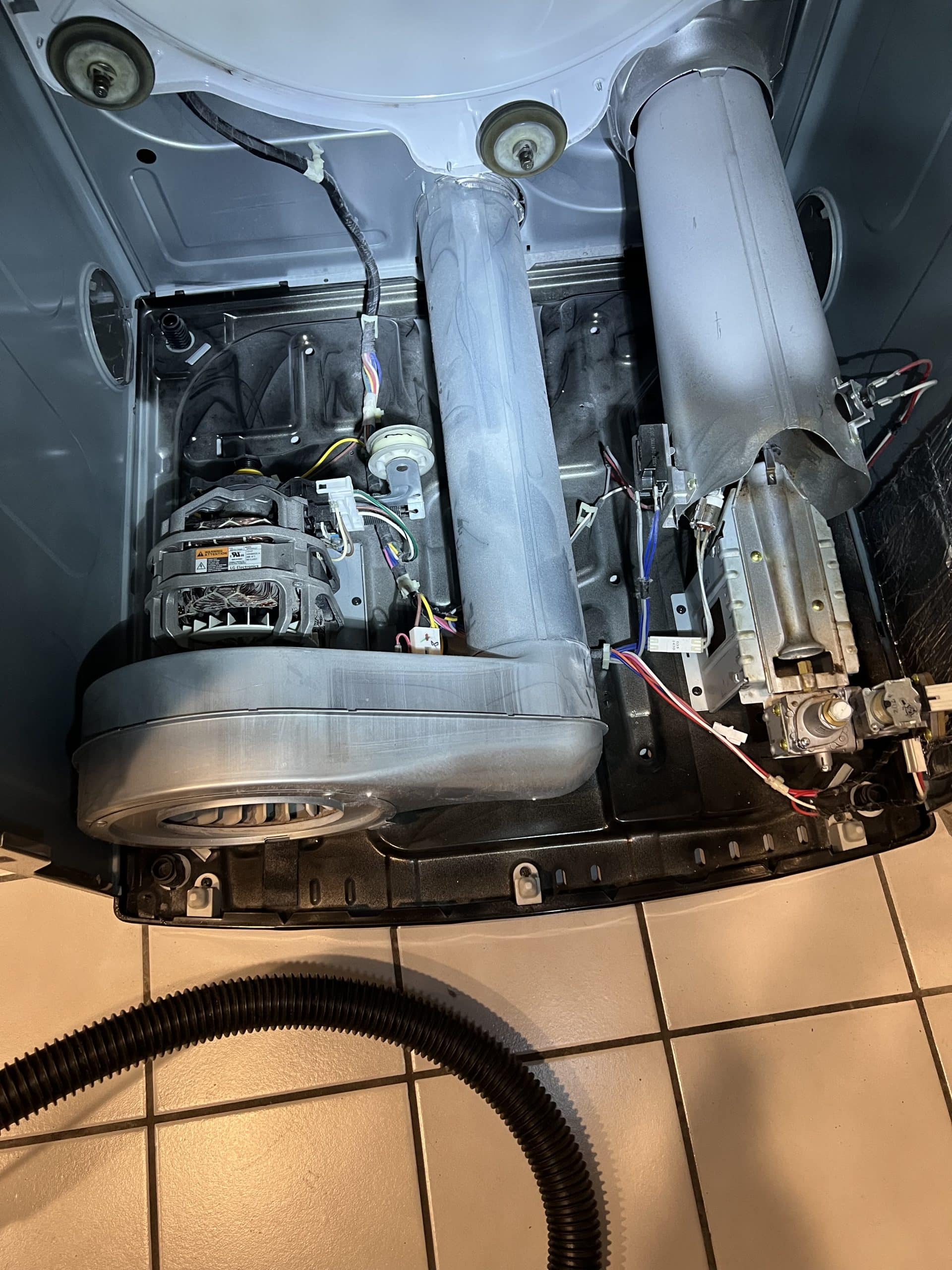
Internal dryer cabinet cleaning is another area where professional service provides value beyond DIY capability. Lint doesn’t only accumulate in ductwork—it builds up inside the dryer cabinet around heating elements, blower wheels, and motor housings. This internal accumulation poses equal fire risk to vent blockages. Complete dryer maintenance addresses both vent and internal cleaning simultaneously. Our Internal Lint Removal & Airflow Restoration service addresses these hidden danger zones that standard homeowner maintenance misses.
Homeowners throughout Calabasas, Tarzana, and surrounding areas served by our team benefit from the documentation professional service provides. When you eventually sell your Woodland Hills home, maintenance records demonstrate responsible homeownership and appliance care—details that matter to buyers investing in million-dollar properties.
California Building Codes and Compliance Requirements for Dryer Vents
Understanding code requirements helps Woodland Hills homeowners ensure their dryer vent installations meet safety standards and avoid violations that could affect insurance claims or home sales.
California Mechanical Code Section 504 governs dryer exhaust systems. Key provisions mandate that dryer vents terminate outdoors (never into attics, crawl spaces, or garages), utilize rigid or semi-rigid metal ductwork (flexible plastic or foil accordion ducts are prohibited), and include a backdraft damper at the exterior termination point to prevent weather intrusion and pest entry while allowing free exhaust when the dryer operates.
Maximum vent length restrictions exist to ensure adequate airflow. The code permits 35 feet of straight ductwork, with reductions for each bend—subtract 2.5 feet for each 45-degree bend and 5 feet for each 90-degree turn. Homes with vent systems exceeding these limits experience chronic performance problems and elevated fire risk. Unfortunately, older Woodland Hills homes occasionally have installations predating current codes with excessive length or prohibited materials still in place.
Vent diameter requirements specify 4-inch minimum diameter ductwork for residential dryers. Undersized venting creates excessive back-pressure that damages dryer components and creates dangerous heat buildup. The vent must also maintain consistent diameter throughout its entire run—no reducers or adapters that constrict airflow.
Exterior vent hood placement requires careful attention. Vents must not discharge under decks, into window wells, near doors or windows where exhaust could enter the home, or in locations where exhaust would damage plants or create nuisance moisture problems. The vent hood must be at least 12 inches above grade to prevent snow blockage (less relevant in Southern California but still code) and positioned where routine inspection and cleaning remain accessible.
Supporting and securing ductwork properly prevents sagging that creates lint collection points. Straps or supports must be placed at maximum 6-foot intervals to maintain proper slope. Ductwork joints require proper sealing with metal foil tape rated for high temperature—never standard cloth duct tape, which deteriorates quickly under heat and humidity.
When our team provides our appliance repair services in Woodland Hills, we routinely identify code violations during dryer service calls. Bringing installations into compliance enhances safety and ensures your home meets standards that insurance companies and future buyers expect. Some violations we commonly encounter include: plastic transition hoses between the dryer and wall vent (should be aluminum semi-rigid or rigid), vents terminating in garages (should extend outdoors), and crushed or kinked ductwork behind dryers pushed too close to walls.
How Proper Vent Maintenance Extends Dryer Lifespan and Reduces Energy Costs
Beyond fire prevention, regular dryer vent cleaning delivers financial benefits through improved appliance longevity and operational efficiency—advantages that appeal to Woodland Hills homeowners investing in quality appliances and managing household expenses.
Restricted airflow forces your dryer to work significantly harder and run longer to achieve normal drying results. This extended operation increases wear on critical components including drum rollers, idler pulleys, drive motors, and heating elements. A dryer that runs twice as long to dry each load experiences roughly double the mechanical wear, dramatically shortening its service life. Premium brands like Miele, Bosch, or Speed Queen—popular in higher-income Woodland Hills neighborhoods—are engineered for longevity, but even these quality appliances suffer when operating under constant strain from blocked vents.
Heating elements and igniters experience particularly accelerated wear when vents are restricted. The constant high-limit thermostat cycling that occurs when heat can’t exhaust properly creates thermal stress that leads to premature component failure. We’ve seen thermal fuses blow repeatedly in dryers where homeowners replaced the fuse multiple times without addressing the underlying vent blockage causing the overheating condition.
Energy consumption increases substantially with restricted vents. A dryer that requires two or three cycles to complete what should be one load triples your electricity or gas consumption for that laundry. Over a year of regular use, this inefficiency adds measurable cost to utility bills. For families doing eight to ten loads weekly, the annual expense difference between a dryer operating with clean vents versus restricted vents can exceed $100-$150 in additional energy costs.
Moisture removal efficiency suffers when hot, humid air can’t exhaust effectively. The dryer essentially recirculates moist air rather than replacing it with fresh, dry air to absorb moisture from fabrics. This inefficiency means clothes remain damp even after extended drying times—frustrating for homeowners and potentially promoting mildew odors in improperly dried items.
Motor longevity relates directly to workload. When a blower motor must overcome significant back-pressure from a clogged vent, it draws higher amperage and runs hotter than design specifications intended. This stress shortens motor life and increases the likelihood of motor failure—one of the most expensive dryer repairs requiring professional service. Our Dryer Runs but Airflow Is Weak diagnostic service helps identify whether weak performance stems from vent issues, blower problems, or other mechanical faults.
The cumulative effect of operating with restricted vents can reduce dryer lifespan by 40-50%. A quality dryer that should provide 13-15 years of service may fail after just 6-8 years when consistently operated with inadequate venting. Given that replacement costs for mid-range to premium dryers now exceed $800-$1,500, the $95 investment in annual professional vent cleaning represents extraordinary value in appliance protection.
For homeowners managing other major appliances, coordinating maintenance makes practical sense. Scheduling dryer vent service alongside our Refrigerator Repair in Woodland Hills or Washing Machine Repair in Woodland Hills services ensures your entire appliance ecosystem receives appropriate care on a coordinated schedule.
Taking Action: Scheduling Professional Dryer Vent Cleaning in Woodland Hills
Protecting your home from fire hazards while optimizing appliance performance requires partnering with qualified professionals who understand both dryer systems and local conditions affecting Woodland Hills homeowners.
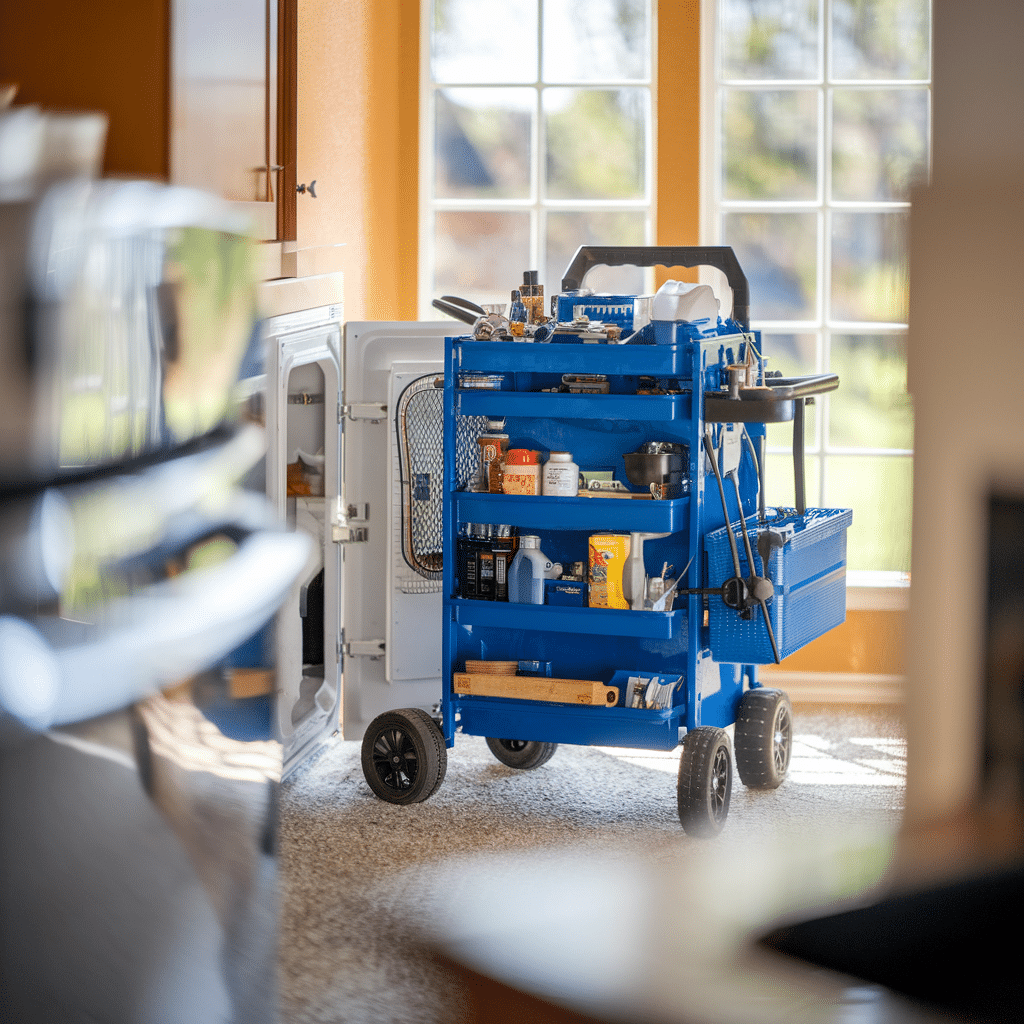
ACE Appliance Heating and Cooling has served the Woodland Hills community with comprehensive dryer maintenance including thorough vent cleaning, internal cabinet lint removal, and component inspection that identifies potential problems before they cause breakdowns or safety hazards. Our technicians arrive equipped with professional-grade rotary brush systems and high-capacity vacuums specifically designed for dryer vent cleaning—equipment that removes compacted lint that household tools simply can’t address.
When you call (818) 939-4882 to schedule service, our team will discuss your specific situation including dryer age and brand, typical usage patterns, vent system configuration, and how long since last professional cleaning. This information helps us allocate appropriate time and ensure we arrive with any specialized equipment your particular installation requires. We serve all Woodland Hills neighborhoods from Topanga Canyon Boulevard to Mulholland Drive, including both residential areas and multi-family properties.
Our comprehensive service includes disconnecting the dryer from its vent connection, thoroughly cleaning the interior dryer cabinet to remove accumulated lint around blower housing and heating elements, professionally cleaning the entire vent run from dryer to exterior termination using rotary brush and vacuum systems, inspecting the exterior vent hood for damage or blockage, and testing dryer operation to confirm proper airflow and heating after service completion. We’ll also identify any code violations or installation problems that should be addressed to enhance safety and performance.
For homeowners interested in regular maintenance schedules, our Annual Dryer Maintenance Service provides exceptional value at $95, covering all aspects of preventive care that keeps your dryer operating safely and efficiently. Scheduled service ensures you never forget this critical safety measure and provides peace of mind knowing your home remains protected.
Whether you’re experiencing extended drying times, excessive heat, burning odors, or simply recognize it’s been more than a year since your last professional cleaning, don’t delay this essential safety service. The combination of Southern California’s fire-prone climate and Woodland Hills’ beautiful but dry environment makes dryer vent maintenance more critical here than in many other regions. Contact ACE Appliance Heating and Cooling at (818) 939-4882 today to schedule your dryer vent cleaning and protect both your family’s safety and your valuable appliance investment.
ACE Appliance Heating and Cooling
Get Your Free Quote Today